
Common Problems, Warning Signs, and How to Extend Equipment Life
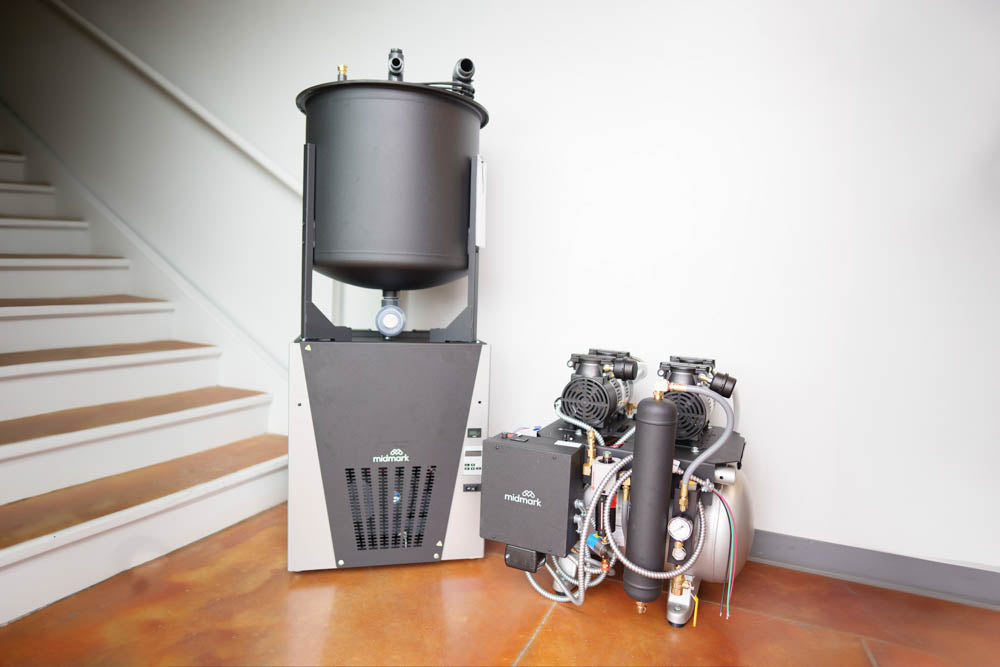
The dental air compressor and vacuum pump are the heart of every dental office. Unlike chairs or delivery units, these systems serve the entire practice. When one fails, every operatory is affected.
Fortunately, most catastrophic failures don't happen overnight. They are usually the result of small problems that go unnoticed or routine maintenance that has been delayed.
While there are very few repairs office staff should attempt themselves, recognizing the warning signs early can significantly extend the life of your equipment and help avoid expensive emergency repairs.
Air Compressor Runs Constantly
One of the most common concerns we hear is:
"Our compressor never seems to shut off."
Although the compressor itself may have a problem, the cause is often somewhere else in the office.
Before Calling for Service
✔ Listen for air leaking from delivery units.
✔ Listen around handpiece couplers.
✔ Listen around air/water syringes.
✔ Ask staff if anyone has noticed a small air leak recently.
Why This Happens
Even a relatively small air leak can cause the compressor to cycle much more frequently than it was designed to.
The harder the compressor works, the more heat it generates and the faster internal components wear.
Many compressor failures we see could have been prevented if small leaks had been repaired earlier.
Call a Technician If
- The compressor runs continuously.
- Pressure never reaches normal operating pressure.
- The compressor becomes unusually noisy.
- Breakers begin tripping.
- You notice burning odors.
Vacuum Pump Runs Constantly or Suction Seems Weak
Like the air compressor, the vacuum pump should cycle normally throughout the day.
If it begins running almost continuously, it is often trying to compensate for a vacuum leak somewhere in the system.
Before Calling for Service
✔ Check that HVE and saliva ejector valves close completely.
✔ Listen for obvious vacuum leaks.
✔ Report any suction changes, even if they seem minor.
Why This Happens
Vacuum leaks force the pump to work much harder than necessary.
Over time this increases wear on bearings, motors, and other internal components while increasing operating temperatures.
Small leaks that are ignored today often become expensive repairs later.
Daily Vacuum Line Cleaning
One of the simplest things every dental office can do to protect its vacuum pump is clean the vacuum lines every day.
Midmark recommends using a non-foaming vacuum system cleaner and running it through every operatory following the manufacturer's instructions. This routine helps keep the separator tank clean and protects internal components from buildup.
Many offices use products such as SlugBuster or other equivalent non-foaming vacuum line cleaners.
Daily cleaning helps:
- Reduce buildup inside the lines.
- Improve suction performance.
- Protect internal pump components.
- Extend equipment life.
Skipping this simple maintenance can shorten the life of the vacuum system.
Keep the Mechanical Room Cool
Mechanical rooms are often overlooked until equipment begins overheating.
During Texas summers, it is especially important that compressors and vacuum pumps are installed in a conditioned mechanical room or one with adequate ventilation.
If your system uses an exhaust fan, verify that it is operating correctly.
High mechanical room temperatures can shorten the life of motors, electronics, and seals while reducing overall system reliability.
If the room feels excessively hot, it is worth having the ventilation evaluated before equipment problems develop.
Preventive Maintenance Matters
Most compressor and vacuum pump maintenance should be performed by a qualified dental equipment technician.
Routine preventive maintenance typically includes:
- Replacing intake filters.
- Replacing coalescing filters.
- Inspecting moisture indicators.
- Checking pressurization time.
- Cleaning the equipment.
- Checking voltage
- Inspecting tensioners, belts, and pulley assemblies.
- Verifying proper operating pressures.
Midmark recommends checking compressor pressurization time monthly, replacing intake filters annually, replacing the coalescing filter annually, and monitoring the moisture indicator regularly.
These maintenance procedures help maximize equipment life and identify problems before they become emergencies.
From Our Technicians
One of the biggest misconceptions we encounter is that compressors and vacuum pumps simply "wear out."
In reality, many failures are the result of the equipment working harder than it was designed to.
The most common causes we see are:
- Air leaks.
- Vacuum leaks.
- Poor mechanical room ventilation.
- Deferred preventive maintenance.
- Failure to clean vacuum lines daily.
Addressing these issues early can often add years to the life of the equipment.
When Should You Call a Technician?
Unlike chairs or delivery units, there are very few repairs that office staff should attempt on compressors or vacuum pumps.
If you notice:
- Constant cycling.
- Weak suction.
- Reduced air pressure.
- Unusual noises.
- Excessive heat.
- Burning smells.
- Water or oil leaks.
it's time to contact a qualified dental equipment technician.
These systems operate continuously and support every operatory in your practice. Prompt repairs and regular preventive maintenance are the best way to minimize downtime and maximize the life of your equipment.
